Blog

  • Ointment Manufacturing Plant Supplier

    Ointment Manufacturing Plant Supplier: How to Find a Reliable One

    The mixing vessel is easy to get. A reliable ointment manufacturing plant supplier is another matter. Your equipment will serve you for years, and the manufacturer will determine whether installation will be smooth, whether replacement parts will come on time, and whether your auditors will be happy. Here’s how to distinguish true partners from catalog suppliers.
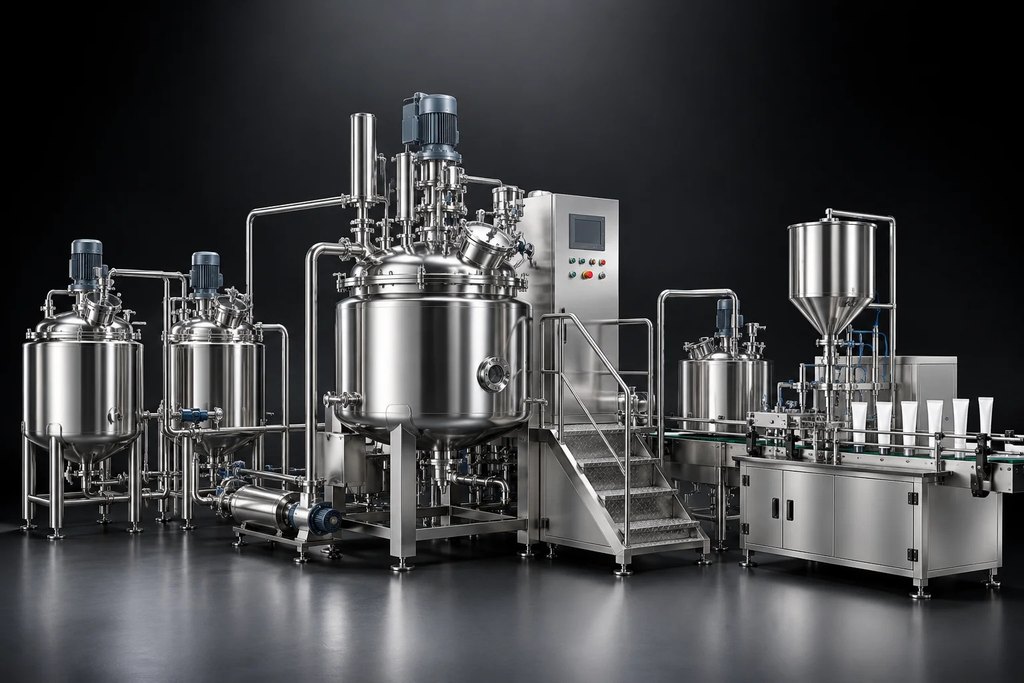
    Components of Ointment Manufacturing Plant

    Ointment plant is a series of connected vessels and mechanisms designed to melt, mix, homogenize, and transport semi-solid products. The usual configuration includes a wax melting vessel and a water phase vessel. They work well with pharmaceutical ointments, cosmetic creams, gels, and suspensions. The key component is a vacuum mixer where the two phases are emulsified at a certain temperature and reduced air pressure.

    Why Supplier Selection is Important Than Price

    Two plants may appear equal in brochures, but their performances could be worlds apart. Weld quality, choice of motor, seal type, and precision in control all have an impact on batch-to-batch uniformity. A poor supplier could even leave you high and dry after delivery, without an engineer and even without replacement gaskets. From my experience, people who make decisions based on price end up paying more within two years.

    Credentials to Verify

    Make sure that product-contact components are made out of SS 316 or SS 304, and that test certificates are available. The plant design should be GMP-compatible, with polished surfaces, tri-clamp connections, and no dead spots. Make sure that they can help you with DQ, IQ, and OQ and with your PQ as well. Ask for ISO or similar credentials that you can actually see.

    Specs to Confirm Before Placing Orders

    Provide an identical briefing to all the selected suppliers to get comparable quotations. The product catalog may indicate stainless steel material of the equipment in SS 316 or 304 and list various uses in pharmaceuticals, cosmetics, and chemicals; however, the brochure does not tell you the full story. Inquire about the working capacity of each equipment, its actual batch size, vacuum level, homogenizer rate, and heating process. Confirm how the homogenizer enters (bottom or top entry), degree of automation provided (recipe database, loggers, etc.) and requirement of power, steam, and cooling water.

    Understanding Public Price Lists

    The range of prices in public listings is huge. A price list shows an automatic ointment cream plant at ₹12 lakh per unit, whereas another lists a less-capable ointment plant around ₹4 lakh. The variation in price is due to capacity, build, and equipment included, not the brand. It is always advisable to ask for the exclusions in any quote.

    Questioning that will help you find a good supplier

    Find out whether you can visit the workshop and do a factory acceptance test, whether they have references from other customers in your industry. Ask about the time of delivery and commissioning, about the duration of warranty period and its contents, and whether spare parts are kept in stock. Moreover, make sure that their engineers will provide training of your operators at the place of work.

    Warning signs

    Beware when a supplier avoids providing drawings, gives vague information about materials, refuses to let you visit a workshop, and tries to convince you to pay in advance before the technical specifications are agreed. An unusually low quotation without any reason also raises suspicion.

    Conclusion

    A good ointment manufacturing plant supplier should have good engineering background, correct documentation, and quality support. Compare quotations, check the qualifications of the company, and check their service before making a final decision. You will be pleased with your choice for years to come.
  • Best Supplier of Chemical Storage Tanks in India

    Supplier of Chemical Storage Tanks: Tips to Find a Reliable Partner

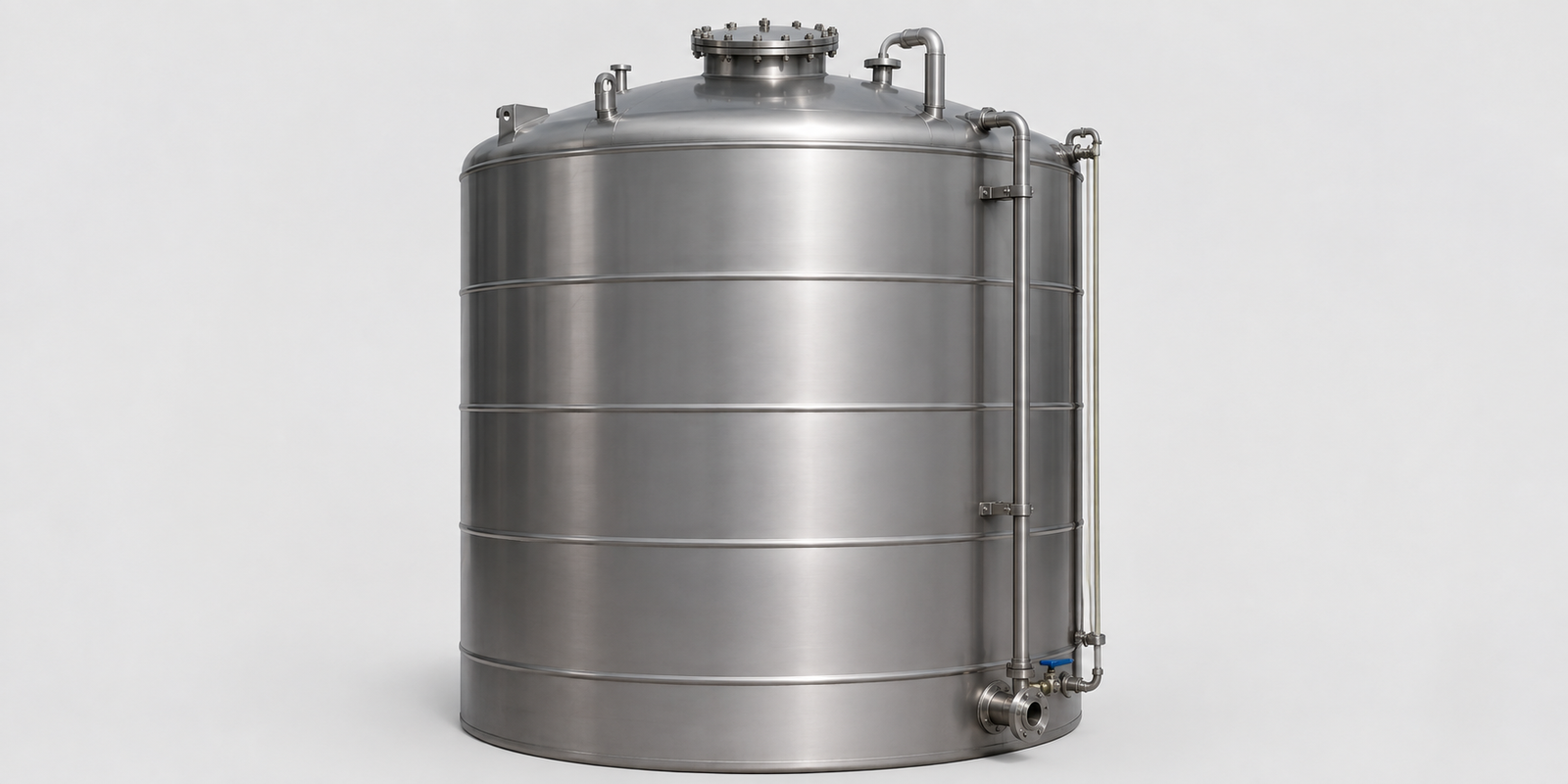
    Storage tank in this industry does not stand for cost reduction through mistakes. Improper materials, weak weld or unsuitable fitment may cause leakage, contamination, problems with legislation and, finally, personal injuries. The right chemical storage tank supplier will be able not just to provide the vessel but also will take time to find out what you are going to store, at which concentration and temperature levels, to create the tank that corresponds your needs.

    How Do Chemical Storage Tank Suppliers Serve You?

    Most of the suppliers offer several tank types. For example, tanks made of polyethylene such as HDPE, cross-linked PE may be used to store a wide variety of acids, alkalis and salt solutions and the cost level will be average for that. FRP (fibreglass reinforced plastic) tanks are applicable to more aggressive and larger volumes of solutions. Stainless steel tanks are used for solvents and high purity solutions. Rubber-lining or PP-lined tanks of mild steel are suitable for strong acids.

    Items to Review Prior to Placing Your Order

    Chemical Compatibility

    This one factor alone is most critical to review. Each of sodium hypochlorite, sulphuric acid and caustic soda is corrosive to different material types. The right supplier will be able to refer to the chemical compatibility chart and identify the resin or liner type or steel grade in writing. Specific gravity of the chemical is also significant, as a heavier liquid would require a stronger tank construction.

    Quality of Construction and Inspection

    Inquire on wall thickness, UV protection for outdoor tanks, construction process (welding or rotomoulding) and the inspection process that the supplier follows prior to shipment. Hydrostatic or leak test must be performed as part of standard procedure. A sample test report can be requested along with a factory tour, if feasible.

    Safety & Compliances

    Ensure that your vendor is aware of the issues of secondary containment, venting, protection against spillage and labelling, depending upon your industry. It might require that you adhere to certain specifications according to Indian standards, safety guidelines at factories or pollution control boards. The knowledgeable vendor will always bring these issues to light before you have to mention them.

    Delivery, Installations & Services

    The transportation and handling of large tanks is sometimes not an easy job. Make sure that you know who takes care of unloading, foundations and connection of pipes, and how fast they can provide you with replacement parts or fix your broken tanks.

    Warning Signs to Look Out For

    Exercise caution with suppliers that quote without asking about your chemical, provide general information about the material, or have difficulty naming their previous customers. Lower costs usually mean thinner walls or lower-quality resins. Make some calls to previous customers before making any decisions.

    Final Words

    The best chemical storage tanks will be made by suppliers that understand materials and perform tests honestly. Be sure to inform them about your chemical, ask for compatibility documentation, and ensure that your tanks have appropriate safety features. Your diligence now will protect you in the long run.

  • Heat Exchanger Manufacturer: Everything You Need To Know About Buying Them

    Indian Heat Exchanger Manufacturer: Everything You Need To Know About Buying Them

    If you have had the chance to be assigned with the task of purchasing thermal processing equipment, then you would understand the value of it. What you definitely do not want is to end up with machines that break down frequently or even waste energy because of their inefficiency. Hence, choosing the right heat exchanger manufacturer in India has become really important now for various sectors such as petrochemical, pharmaceutical, etc. because of the growth of India’s manufacturing capability.

    Heat Exchangers and Their Significance for Efficiency in the Industry Processes

    The primary function of a heat exchanger is to exchange thermal energy from one fluid to another without mixing them. It plays a major role in several industrial activities, which include heating, cooling, condensing, energy recovery, etc. When in some industrial processes the temperature plays a vital role in quality and safety, the efficiency of heat exchange becomes quite important since it affects the energy losses.

    Improvement Made by India in This Sector Over the Years

    In the last ten years, there has been an immense growth in the manufacturing of heat exchangers in India, owing to the increasing demands from industries such as oil and gas, chemical processing, energy production, and HVAC applications. There have been continuous advancements in terms of fabrication skills, modern welding techniques, and increased capabilities for exports to other parts of the world such as the Middle East, Africa, and Southeast Asia.

    Heat Exchanger Types Manufactured

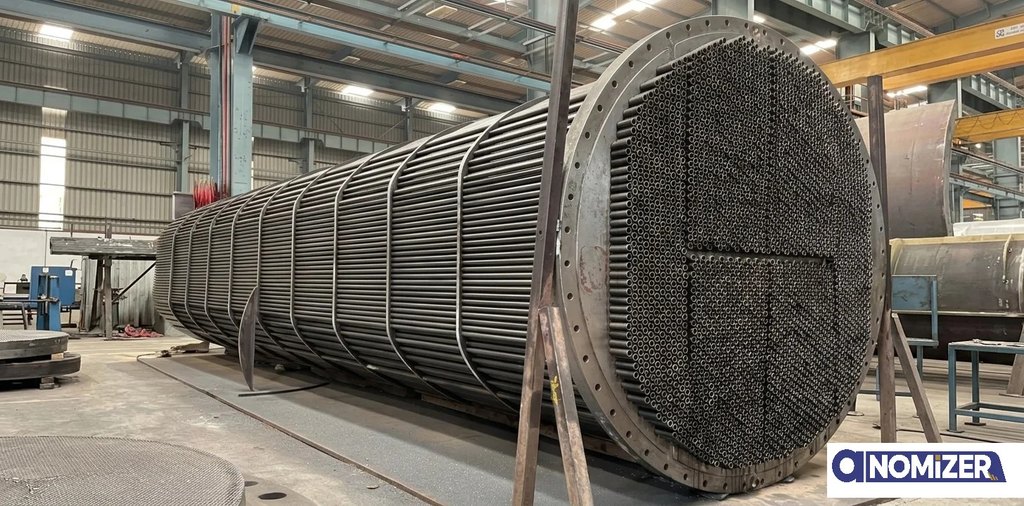
    All heat exchangers do not have the same function, and recognizing the differences is key in making purchase decisions. The shell and tube type of heat exchanger continues to be the most common design for its strength and ability to operate under pressure. Plate heat exchangers are ideal in that they have smaller footprints and better heat exchange capability in low-pressure systems, while air-cooled heat exchangers are ideal in cases where water is scarce.

    Certification and Standards of Compliance to Check

    Once a manufacturer has been selected, it is imperative that its certification be checked. The ASME certificate ensures that the pressure equipment is of international standards, while the ISO 9001 certification verifies that the quality management standards have been adhered to throughout the process. In case the equipment contains hazardous or pressurized materials, TEMA compliance is an added benefit.

    The Importance of Material Quality in Heat Exchangers

    The material chosen to manufacture a heat exchanger will determine how well it will resist corrosion, thermal fatigue, and pressure stress for many years of service. Various grades of stainless steel materials are commonly used in situations involving corrosion and hygiene, while titanium and other special alloys are utilized in extreme conditions like seawater systems. Companies that can prove full material traceability through test certificates are worthy of respect.

    Why After-Sales Service Must Not Be Ignored

    Since heat exchangers have a continuous running life of many years, after-sales service and availability of spare parts becomes as critical as the construction of the heat exchangers. In fact, there are instances where the buyers ignore this aspect, leading to costly downtime when replacement parts are not easily available.

    Conclusion

    A reliable manufacturer of heat exchangers in India should be able to offer engineering accuracy along with certification and quality material sourcing. As India’s manufacturing industry continues to evolve, more competitive alternatives are available for buyers; however, due diligence is necessary before any equipment purchase.

  • Hello world!

    Welcome to blog5.click blog hosting Sites. This is your first post. Edit or delete it, then start writing!