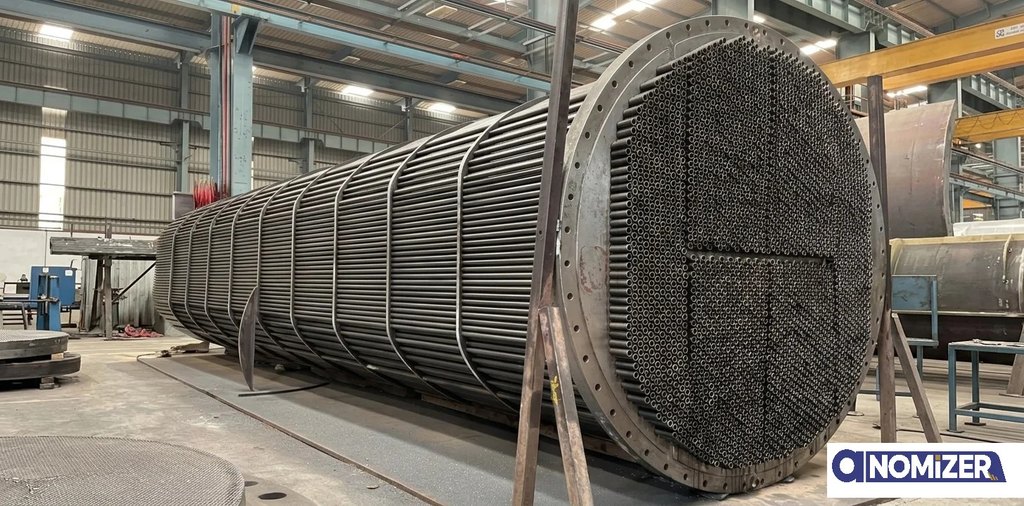
Indian Heat Exchanger Manufacturer: Everything You Need To Know About Buying Them
If you have had the chance to be assigned with the task of purchasing thermal processing equipment, then you would understand the value of it. What you definitely do not want is to end up with machines that break down frequently or even waste energy because of their inefficiency. Hence, choosing the right heat exchanger manufacturer in India has become really important now for various sectors such as petrochemical, pharmaceutical, etc. because of the growth of India’s manufacturing capability.
Heat Exchangers and Their Significance for Efficiency in the Industry Processes
The primary function of a heat exchanger is to exchange thermal energy from one fluid to another without mixing them. It plays a major role in several industrial activities, which include heating, cooling, condensing, energy recovery, etc. When in some industrial processes the temperature plays a vital role in quality and safety, the efficiency of heat exchange becomes quite important since it affects the energy losses.
Improvement Made by India in This Sector Over the Years
In the last ten years, there has been an immense growth in the manufacturing of heat exchangers in India, owing to the increasing demands from industries such as oil and gas, chemical processing, energy production, and HVAC applications. There have been continuous advancements in terms of fabrication skills, modern welding techniques, and increased capabilities for exports to other parts of the world such as the Middle East, Africa, and Southeast Asia.
Heat Exchanger Types Manufactured
All heat exchangers do not have the same function, and recognizing the differences is key in making purchase decisions. The shell and tube type of heat exchanger continues to be the most common design for its strength and ability to operate under pressure. Plate heat exchangers are ideal in that they have smaller footprints and better heat exchange capability in low-pressure systems, while air-cooled heat exchangers are ideal in cases where water is scarce.
Certification and Standards of Compliance to Check
Once a manufacturer has been selected, it is imperative that its certification be checked. The ASME certificate ensures that the pressure equipment is of international standards, while the ISO 9001 certification verifies that the quality management standards have been adhered to throughout the process. In case the equipment contains hazardous or pressurized materials, TEMA compliance is an added benefit.
The Importance of Material Quality in Heat Exchangers
The material chosen to manufacture a heat exchanger will determine how well it will resist corrosion, thermal fatigue, and pressure stress for many years of service. Various grades of stainless steel materials are commonly used in situations involving corrosion and hygiene, while titanium and other special alloys are utilized in extreme conditions like seawater systems. Companies that can prove full material traceability through test certificates are worthy of respect.
Why After-Sales Service Must Not Be Ignored
Since heat exchangers have a continuous running life of many years, after-sales service and availability of spare parts becomes as critical as the construction of the heat exchangers. In fact, there are instances where the buyers ignore this aspect, leading to costly downtime when replacement parts are not easily available.
Conclusion
A reliable manufacturer of heat exchangers in India should be able to offer engineering accuracy along with certification and quality material sourcing. As India’s manufacturing industry continues to evolve, more competitive alternatives are available for buyers; however, due diligence is necessary before any equipment purchase.

Leave a Reply