Author: kamal sharma

  • Best Portable Leaf Area Meter in India

    Portable Leaf Area Meter: How To Select and Use It As a Field Researcher

    It may seem easy to measure leaf area at first glance. However, collecting leaf samples by cutting them, packing them up, and then rushing back to the laboratory takes much time and affects the collected data. With a portable leaf area meter, the measuring is done directly on the field plot, and the plant does not have to move anywhere. Here you can find out the types of meters and the process of their use in the field.
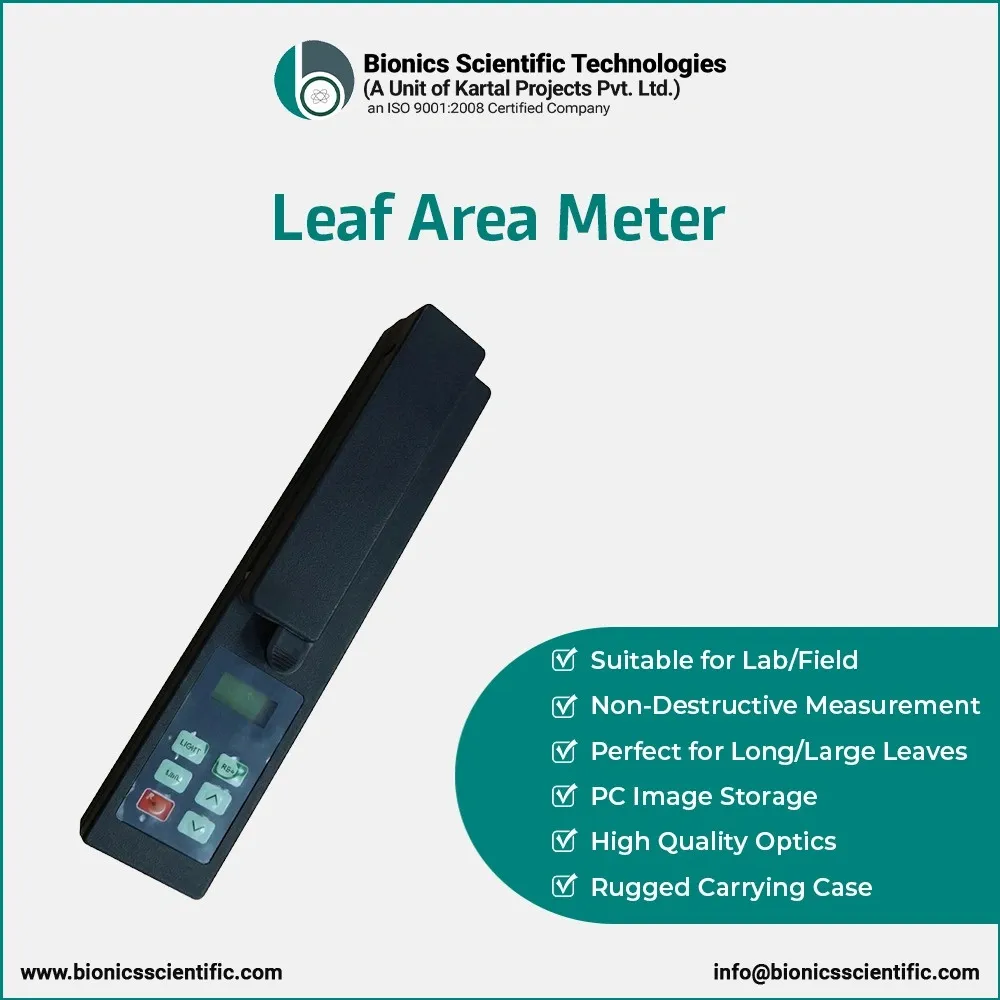
    What Does a Portable Leaf Area Meter Measure?

    The portable leaf area meter measures the area of a leaf, along with length and width, and sometimes the perimeter. This data helps calculate leaf area index, which is essential in determining light interception, transpiration, and biomass. Since this device is battery-operated and small enough to be carried in a backpack, it is suitable for use in breeding plots, orchards, and forests, where a benchtop scanner just will not fit.

    Types of Portable Leaf Area Meters

    There are three main types. The handheld laser leaf area meters trace a line across the leaf and are capable of measuring even attached leaves. The clip-style or sliding scanner leaf area meters slide a leaf through a small sensor, mostly after detaching the leaf. There are smartphone-based leaf area meters that take a photo of the leaf against a reference square and then calculate the area using an application. This type is affordable and convenient, but it is highly dependent on the light and the camera angle.

    Field Workflow Example

    Calibrate against a reference of known area in the morning and record light and temperature. Mark leaves you will re-measure, measure the same spot on each plant (e.g., the third fully spread leaf), flatten the leaf, take two measurements, and write down the plant ID, growth stage, and time. Download your results to a computer at noon, so that one dead battery won’t ruin your entire morning’s work.

    Things to Look For Before You Buy

    Check the claimed accuracy, but test the unit yourself on your crop, since measuring narrow cereal blades and wide banana leaves put very different demands on a scanner. Find out the largest leaf size, battery life for an entire day, and splash resistance of the unit. Memory size and CSV file export are more important than most people think, since entering numbers by hand is error-prone. Lastly, check calibration services, warranty length, and response time of a service engineer when you need it, particularly if your testing takes place at far-flung research stations in India.

    Errors that Invalidate Leaf Area Measurements

    Interlaced and curled leaves are the most common error, with a dirty scanning chamber and windy measurement conditions coming next in line. Using different leaf orientations for measurements on each visit is a quiet yet deadly error that invalidates comparisons over time. Always maintain a brief check list in your field book to use each time, regardless of how rushed you feel.

    Conclusion

    The leaf area instrument pays for its high price tag in savings of time and protection of plants along with consistency in measurements across seasons and regions. Select the right model for the plant you are studying and the budget you have available, test before purchase and always calibrate, and the results will serve any report. Click here to Know More.
  • Autoclave Machine: The One Piece of Equipment That Every Lab Needs

    Autoclave Machine: The One Piece of Equipment That Every Lab Needs

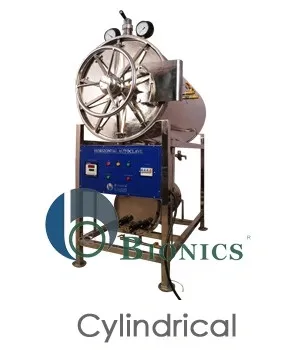
    Autoclave Machine

    Every operational laboratory, clinic, or hospital needs only one thing — a means of ensuring that the tools and materials are definitely sterilized from microorganisms before being reused. It is exactly the function of the autoclave machine, and for this reason, the autoclave machines are indispensable part of sterilization procedures in almost every area related to biology or medicine. At Bionics Scientific, we have assisted numerous labs, clinics, and research centers with finding and maintaining the proper autoclave system, and this article discusses all the essential information that any buyer should know about this equipment.

    What Is an Autoclave Machine?

    An autoclave machine refers to a pressure chamber that applies saturated steam under pressure and at high temperatures to sterilize equipment, glassware, media, and waste. An autoclave machine sterilizes equipment, glassware, media, and waste by killing off bacteria, viruses, fungi, and resistant spores by using saturated steam under pressure and at high temperatures in order to make sure that equipment, glassware, media, and waste are sterile. The key concept of the autoclave machine is the application of pressure and temperature which allow achieving much higher temperatures compared to plain water, usually in the range from 121°C to 134°C.

    How Does an Autoclave Machine Actually Sterilize Objects?

    Before the process of sterilizing objects starts, an autoclave machine removes air either by gravity displacement or pre-vacuum pump, because air pockets inside the chamber prevent reaching of all surfaces by steam. After the removal of air pockets in the chamber, saturated steam fills up the whole chamber and microbial proteins become denatured by high temperatures during a certain period of time, thus destroying all microorganisms present in the chamber.

    Autoclave Machines That Are Worthy of Mentioning

    Not all autoclave machines are created equal. Gravity displacement autoclaves work using steam’s natural displacement of air through a vent which makes them appropriate for loose loads and not too complex. Pre-vacuum autoclaves remove air from the chamber prior to steam introduction, resulting in more effective penetration of steam into wrapped materials and porous objects. Table-top autoclaves are meant for clinics and research laboratories with low-volume use, and vertical/horizontal autoclaves – for heavy loads sterilization in industrial conditions. Choice between the three completely depends on type and packing density of the loads that require sterilization.

    Places Where Autoclave Machines Are Invaluable

    Autoclave machines are absolutely necessary in hospitals for sterilizing surgical instruments, in microbiology laboratories for sterilization of culture media and hazardous waste disposal, and in dentistry clinics for sterilization of the tools between patients. Pharmaceutical industry heavily relies on autoclaving for sterilizing production equipment and some products. Everywhere where the risk of biological contamination exists, autoclave machine is the piece of equipment separating normal functioning from failure.

    Selecting an Appropriate Autoclave Machine for Your Facility

    In selecting the appropriate unit, one should consider issues such as the chamber size, types of cycles, frequency of loading the unit and if gravity displacement or pre-vacuum systems better suit the nature of sterilization loads in a particular facility. Other factors include validation methods such as the use of biological indicators which serve to ascertain that the sterilization process was indeed carried out successfully and not merely gone through as a mere ritual. At Bionics Scientific, we assist hospitals, laboratories and clinics select the right autoclave specification according to their sterilization requirements.

    Conclusion

    The autoclave machine is not just another lab instrument; it is the device that makes it possible to work safely in the first place. The right kind and specification of autoclave machines for the facilities is all that is needed to ensure safety.

  • Hello world!

    Welcome to blog5.click blog hosting Sites. This is your first post. Edit or delete it, then start writing!