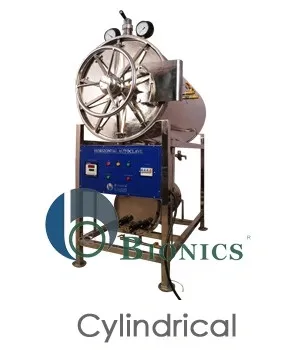
Autoclave Machine
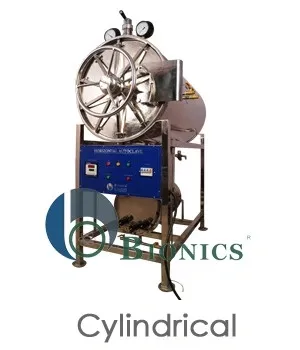
Every operational laboratory, clinic, or hospital needs only one thing — a means of ensuring that the tools and materials are definitely sterilized from microorganisms before being reused. It is exactly the function of the autoclave machine, and for this reason, the autoclave machines are indispensable part of sterilization procedures in almost every area related to biology or medicine. At Bionics Scientific, we have assisted numerous labs, clinics, and research centers with finding and maintaining the proper autoclave system, and this article discusses all the essential information that any buyer should know about this equipment.
What Is an Autoclave Machine?
An autoclave machine refers to a pressure chamber that applies saturated steam under pressure and at high temperatures to sterilize equipment, glassware, media, and waste. An autoclave machine sterilizes equipment, glassware, media, and waste by killing off bacteria, viruses, fungi, and resistant spores by using saturated steam under pressure and at high temperatures in order to make sure that equipment, glassware, media, and waste are sterile. The key concept of the autoclave machine is the application of pressure and temperature which allow achieving much higher temperatures compared to plain water, usually in the range from 121°C to 134°C.
How Does an Autoclave Machine Actually Sterilize Objects?
Before the process of sterilizing objects starts, an autoclave machine removes air either by gravity displacement or pre-vacuum pump, because air pockets inside the chamber prevent reaching of all surfaces by steam. After the removal of air pockets in the chamber, saturated steam fills up the whole chamber and microbial proteins become denatured by high temperatures during a certain period of time, thus destroying all microorganisms present in the chamber.
Autoclave Machines That Are Worthy of Mentioning
Not all autoclave machines are created equal. Gravity displacement autoclaves work using steam’s natural displacement of air through a vent which makes them appropriate for loose loads and not too complex. Pre-vacuum autoclaves remove air from the chamber prior to steam introduction, resulting in more effective penetration of steam into wrapped materials and porous objects. Table-top autoclaves are meant for clinics and research laboratories with low-volume use, and vertical/horizontal autoclaves – for heavy loads sterilization in industrial conditions. Choice between the three completely depends on type and packing density of the loads that require sterilization.
Places Where Autoclave Machines Are Invaluable
Autoclave machines are absolutely necessary in hospitals for sterilizing surgical instruments, in microbiology laboratories for sterilization of culture media and hazardous waste disposal, and in dentistry clinics for sterilization of the tools between patients. Pharmaceutical industry heavily relies on autoclaving for sterilizing production equipment and some products. Everywhere where the risk of biological contamination exists, autoclave machine is the piece of equipment separating normal functioning from failure.
Selecting an Appropriate Autoclave Machine for Your Facility
In selecting the appropriate unit, one should consider issues such as the chamber size, types of cycles, frequency of loading the unit and if gravity displacement or pre-vacuum systems better suit the nature of sterilization loads in a particular facility. Other factors include validation methods such as the use of biological indicators which serve to ascertain that the sterilization process was indeed carried out successfully and not merely gone through as a mere ritual. At Bionics Scientific, we assist hospitals, laboratories and clinics select the right autoclave specification according to their sterilization requirements.
Conclusion
The autoclave machine is not just another lab instrument; it is the device that makes it possible to work safely in the first place. The right kind and specification of autoclave machines for the facilities is all that is needed to ensure safety.

Leave a Reply